



How Louisiana Divides Carrying Costs Between a Usufructuary and a Naked Owner
Key Takeaways: During a Louisiana usufruct, the usufructuary is generally responsible for recurring property taxes under La. Civ. Code art. 584 and ordinary maintenance and repairs under Article 577. The naked owner is generally responsible for extraordinary repairs, meaning reconstruction of all or a substantial part of the property, unless the usufructuary’s fault or neglect made them necessary. Under Article 585, the usufructuary also pays extraordinary charges imposed during the usufruct; if those charges increase the property’s value, the naked owner repays only the capital spent, and only when the usufruct ends. Insurance is less clear-cut because no single article requires it, so who pays premiums often depends on the duty of prudent administration, mortgage terms, the testament, and any written agreements. A will, donation, or agreement can change many of these default rules. Without a will, Louisiana intestate succession often gives a surviving spouse a usufruct over the deceased spouse’s share of community property while the children receive naked ownership.
Under the Louisiana Civil Code, the usufructuary is generally responsible for recurring property taxes while the usufruct lasts. Insurance is less clear-cut. La. Civ. Code art. 584 says the usufructuary "is bound to pay the periodic charges, such as property taxes," imposed during the usufruct. No single article requires insurance as directly. Who pays premiums often depends on the usufructuary’s duty to preserve the property, any mortgage terms, and what the will or other document says. These questions come up often in Houma families after a death, especially when a surviving spouse receives a usufruct over the community share of the family home and the children receive the naked ownership.
If you are handling a loved one’s succession in Terrebonne Parish, knowing these rules early can help prevent missed tax bills and gaps in coverage. Damon J Baldone & Associates helps Houma families with usufruct and succession questions. Call (985) 306-8146 or contact us today to talk through your situation.
Understanding Usufruct and Naked Ownership in Houma Successions
A usufruct splits the benefits of ownership between two parties. The usufructuary generally has the right to use the property and enjoy its fruits. The naked owner holds title but generally cannot use or enjoy the property while the usufruct lasts. You can find a detailed overview in our article on how usufruct protects spouses in Louisiana.
The usufruct articles are in Book II, Title III, Chapter 2 of the Louisiana Civil Code, Articles 535 through 629. They apply statewide, including in Terrebonne Parish, though many can be changed by the act creating the usufruct. Readers can review the official text through the Louisiana Civil Code Online database hosted by the LSU Paul M. Hebert Law Center.
Why the Usufructuary Carries Ordinary Costs
The Code generally assigns ordinary costs to the person currently using and benefiting from the property. Under La. Civ. Code art. 539, the holder of a usufruct over nonconsumable property such as a house must preserve its substance, use it as a prudent administrator, and deliver it to the naked owner when the usufruct ends. Under La. Civ. Code art. 577, the usufructuary is responsible for ordinary maintenance and repairs, whether needed because of accident, force majeure, normal use, or the usufructuary’s own fault or neglect.
Louisiana Intestate Succession and the Surviving Spouse’s Usufruct
When someone in Louisiana dies without a will, intestate succession rules often create a usufruct automatically. Under La. Civ. Code art. 890, if the deceased spouse left descendants and did not dispose of their share of the community property by will, the surviving spouse receives a usufruct over that share. The descendants inherit the naked ownership. This rule applies only to community property; separate property generally passes to the descendants in full ownership. The usufruct ends when the surviving spouse dies or remarries, whichever happens first.
This arrangement can protect a surviving spouse, but it also creates shared financial responsibilities. Each side needs to know which bills belong to them, because an unpaid property tax bill puts the property at risk for everyone with an interest in it.
Property Taxes: The Usufructuary’s Clearest Obligation
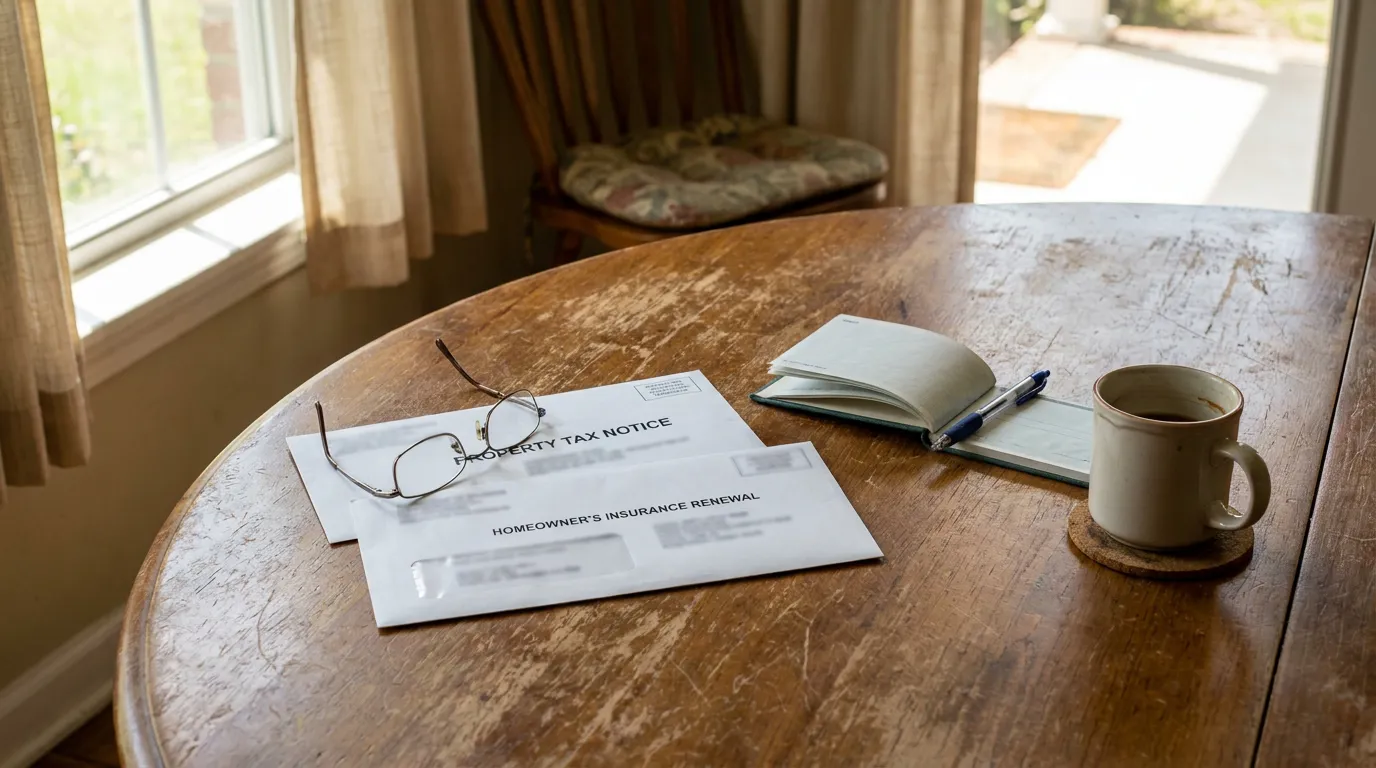
Property taxes are probably the most clearly defined obligation in this area. La. Civ. Code art. 584 places periodic charges, specifically including property taxes, on the usufructuary for as long as the usufruct lasts. If the surviving spouse holds the usufruct over a Houma home, the annual Terrebonne Parish property tax bill is generally that spouse’s responsibility.
There are exceptions that can change who pays. A testament, donation, or written agreement may assign costs differently. Article 584 covers charges imposed during the usufruct, so taxes already owed before it began may be treated as debts of the deceased or prior owner. Families should check what was owed on the date of death.
Extraordinary Charges Under Article 585
One-time charges imposed on the property are handled under a separate article. La. Civ. Code art. 585, enacted in 1976 (Acts 1976, No. 103, Section 1), provides that the usufructuary pays extraordinary charges imposed on the property during the usufruct. If those charges increase the property’s value, the naked owner must repay the usufructuary only for the capital expended, and only when the usufruct ends. This rule applies statewide in Louisiana, including in Houma and Terrebonne Parish.
💡 Pro Tip: Keep Terrebonne Parish tax notices, proof of payment, and any special assessment records together in one file. Clear records can make reimbursement calculations easier when the usufruct ends.
Insurance: A Shared Concern With Fewer Bright Lines
Insurance is less clearly settled than property taxes under the Civil Code. No single article requires the usufructuary to insure the property in the plain way Article 584 requires payment of taxes. However, La. Civ. Code art. 576 makes the usufructuary liable for losses caused by their fraud, default, or neglect, and Article 539 requires prudent administration. Because of those duties, many practitioners advise usufructuaries to keep the property insured.
Several practical factors often decide who pays for insurance:
- Mortgage terms that require the property to stay insured
- Instructions in the testament or act that created the usufruct
- Whether the policy names the usufructuary, the naked owner, or both
- Written agreements between the parties about premiums
In coastal parishes like Terrebonne, insurance is a significant concern because of hurricane and flood exposure. A lapse in coverage could leave both parties without protection after a storm. Many families agree in writing on who will pay premiums and whose names will appear on the policy.
💡 Pro Tip: Ask the insurance agent whether both the usufructuary and the naked owners can be listed on the homeowner’s and flood policies, so claim proceeds go to the people who actually hold interests in the property.
Ordinary Repairs Versus Extraordinary Repairs
Repair costs follow a different rule from charges like taxes. Under La. Civ. Code art. 577, the usufructuary handles ordinary maintenance and repairs. The naked owner is responsible for extraordinary repairs, unless the usufructuary’s fault or neglect made them necessary. La. Civ. Code art. 578 defines extraordinary repairs as reconstruction of the whole property or a substantial part of it. All other repairs are ordinary.
This distinction can be fact-sensitive and disputed. Replacing a roof after hurricane damage might be ordinary or extraordinary depending on how much of the structure must be rebuilt. The test is whether the work reconstructs the whole property or a substantial part of it, not simply the cost. That distinction is addressed directly in La. Civ. Code arts. 577-578; the Louisiana Law Review article at this citation is a 1963 survey of Louisiana appellate court decisions on successions, testaments, and donations and does not itself discuss the development of the ordinary versus extraordinary repairs distinction.
| Expense | Generally Responsible Party | Civil Code Source |
|---|---|---|
| Annual property taxes | Usufructuary | La. Civ. Code art. 584 |
| Extraordinary charges imposed during usufruct | Usufructuary, with reimbursement of capital at the end of the usufruct if the charges increase the property’s value | La. Civ. Code art. 585 |
| Ordinary maintenance and repairs | Usufructuary | La. Civ. Code art. 577 |
| Extraordinary repairs (substantial reconstruction) | Naked owner, unless the usufructuary’s fault or neglect caused the need | La. Civ. Code arts. 577, 578 |
| Insurance premiums | Varies by instrument, mortgage, and agreement | La. Civ. Code arts. 539, 576 (duties of care) |
Practical Steps for Houma Families Managing a Usufruct
Planning ahead and keeping good records can help prevent many problems. Practical steps include:
- Confirm the date the usufruct began and identify any taxes or bills already owed on that date
- Collect current tax notices, insurance declarations, and mortgage statements
- Put any agreement about premiums or repairs in writing
- Take photographs of the property’s condition at the start of the usufruct
Planning before a death can also reduce uncertainty. A properly drafted testament may spell out insurance duties or adjust how long the usufruct lasts. Forced heirship rules may limit some of these choices. Working with a Louisiana intestate succession lawyer can help families understand how these rules apply both when there is no will and when an estate plan is in place.
Frequently Asked Questions
1. Does the naked owner ever pay property taxes during a usufruct?
Generally, no. La. Civ. Code art. 584 places periodic charges such as property taxes on the usufructuary. However, the document creating the usufruct may assign costs differently, and the parties can agree to their own arrangement. A naked owner might also pay a tax bill to protect the property, which can raise questions about reimbursement.
2. Is the usufructuary legally required to buy homeowner’s insurance?
The usufruct articles do not contain a single provision that expressly requires insurance. Still, the duty of prudent administration under Article 539 and liability for losses caused by neglect under Article 576 make insurance a sensible choice. Mortgage terms and the governing testament may also require coverage.
3. How does Louisiana intestate succession create a usufruct?
Under La. Civ. Code art. 890, when a spouse dies without a will and leaves descendants, the surviving spouse receives a usufruct over the deceased spouse’s share of the community property. The descendants receive the naked ownership. Separate property is not covered.
4. Who pays for major storm damage repairs to a house subject to usufruct?
If the work amounts to reconstructing the whole house or a substantial part of it, it is generally an extraordinary repair that the naked owner is responsible for under Articles 577 and 578. Smaller repairs are ordinary and fall on the usufructuary, even when a storm caused the damage.
5. Can a will change who pays taxes and insurance?
In many cases, yes. The person creating a usufruct by testament can often set terms that adjust the default rules. The Civil Code provisions generally apply when the instrument says nothing on a topic. Specific wording matters, so a careful review of the document is important.
Protecting Your Family’s Interests During a Usufruct
Louisiana law generally places property taxes and ordinary maintenance on the usufructuary. The naked owner generally keeps responsibility for extraordinary repairs unless the usufructuary’s fault or neglect caused them. Insurance obligations depend more on the facts of each case and are often best handled through clear written agreements or estate planning documents.
If a usufruct affects your family’s property, getting guidance now can help you protect it and plan with confidence. Damon J Baldone & Associates helps clients throughout Houma and Terrebonne Parish with Louisiana usufruct obligations and succession matters. Call (985) 306-8146 or schedule a consultation to discuss your situation.
Disclaimer: This content is for informational purposes only and is not legal advice. Every case is unique, and results may vary. Consult an attorney about your specific circumstances.