





Understanding Why Witnesses Matter for Your Living Will
Key Takeaways: In Houma, Louisiana, a valid living will requires two impartial witnesses who are competent adults, not related to you by blood or marriage, and not entitled to any part of your estate. These restrictions prevent conflicts of interest that could undermine your declaration. The two-witness rule applies statewide to all formats, written, oral, and non-verbal, though oral and non-verbal declarations are only permitted after a terminal diagnosis. Notarization is optional, and you may revoke your living will at any time. Choosing neutral witnesses such as a trusted neighbor, coworker, or friend, and planning ahead with a written declaration, offers the most reliable protection. Coordinating your living will with your broader estate plan helps ensure consistency and reduces disputes.
Choosing the right witnesses is one of the most important steps in making a valid living will in Houma, Louisiana. A living will lets you state your wishes about life-sustaining procedures when you are diagnosed with a terminal and irreversible condition and can no longer speak for yourself, and Louisiana law requires two impartial witnesses to make that document enforceable. Without qualified witnesses, even a carefully drafted declaration may fail when your family needs it most. This article explains who can serve as a witness, what the law requires, and how Terrebonne Parish residents can avoid common mistakes.
If you want personalized guidance on your incapacity planning documents, the team at Damon J Baldone & Associates is ready to help. Call our office at 985-868-3427 or reach out through our online contact page to discuss your situation with a knowledgeable attorney.
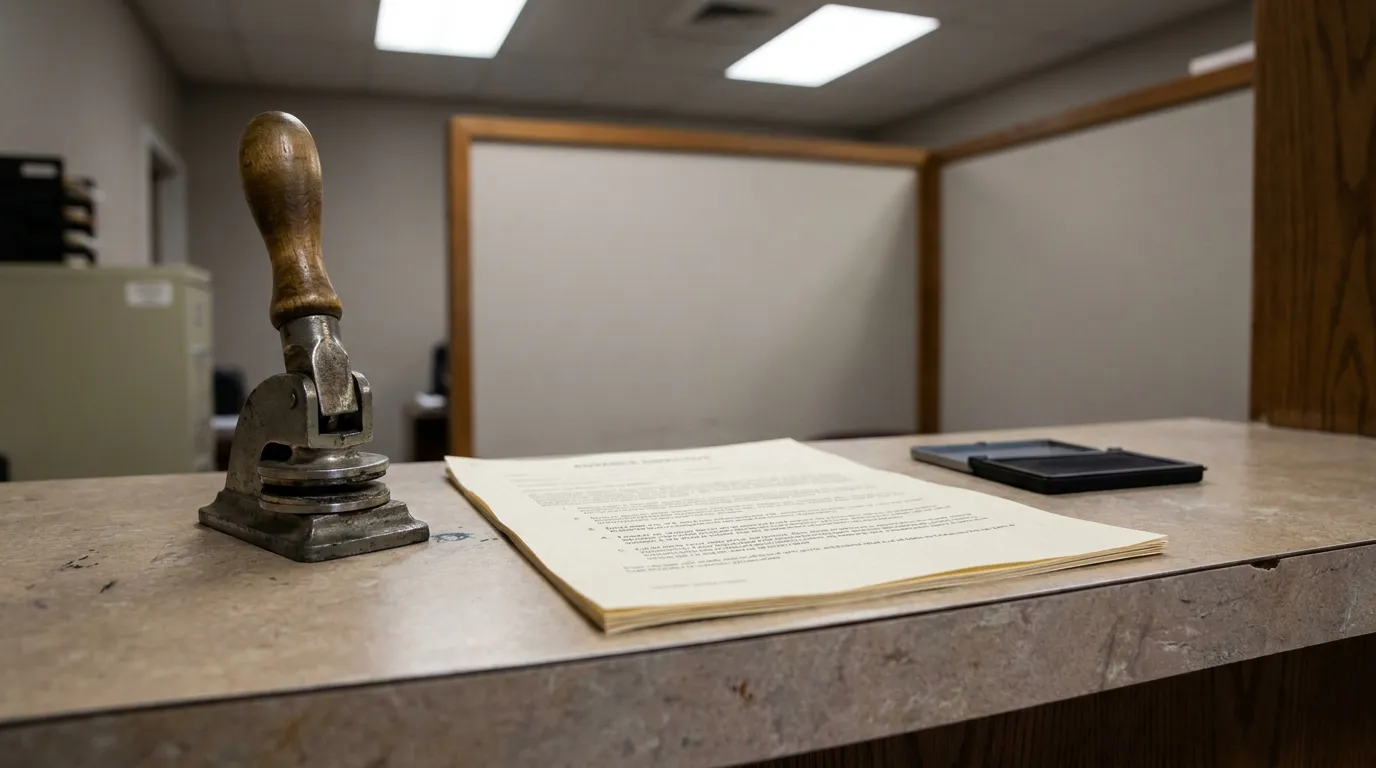
What Your Living Will Louisiana Declaration Should Contain
A living will is a written or spoken declaration that authorizes withholding or withdrawing life-sustaining procedures under certain conditions. Louisiana defines a declaration as a witnessed document, statement, or expression that the declarant voluntarily makes to direct end-of-life care. The witnessing requirement gives your declaration legal effect.
In Louisiana, a living will often forms part of a broader advance directive that combines a living will and medical power of attorney, allowing you to both state your end-of-life goals and name a surrogate to make health care decisions. Any competent adult may create one through a written declaration signed in front of two witnesses.
The state provides a sample living will declaration form that can serve as a helpful starting point for drafting a document reflecting your personal values. You can review general guidance on Louisiana living wills through resources like Louisiana living will requirements, which confirm that two witnesses are needed statewide.
💡 Pro Tip: Keep a signed copy of your living will with your primary physician and share its location with your named surrogate so it can be located quickly during a medical emergency.
Who Qualifies to Witness a Living Will in Houma
Louisiana law requires two witnesses who must be impartial and free of any financial stake in your estate. The witnesses must be competent adults who are not related to you by blood or marriage and who are not entitled to any part of your estate at the time of your death. These restrictions prevent conflicts of interest that could later cast doubt on the validity of your declaration.
This two-witness rule applies statewide, including in Houma and throughout Terrebonne Parish. When you sign and date the document, do so in front of both witnesses, and each witness must then sign as well. The goal is to confirm you acted voluntarily and were not pressured.
Who Should Generally Be Avoided as a Witness
Selecting a neutral witness protects your declaration from later challenges. While the statute focuses on relatives and those who stand to inherit, choosing witnesses without any personal interest in your medical or financial affairs is sound practice. Consider avoiding:
- A spouse, child, parent, or other relative by blood or marriage
- Anyone entitled to receive part of your estate at your death
- A person who may have a financial interest in your health care decisions
- Your named health care surrogate, when a neutral alternative is available
Detailed eligibility standards for witnesses are described in these Louisiana living will resources, which reinforce that witnesses must be disinterested adults.
💡 Pro Tip: Ask a trusted neighbor, coworker, or family friend to serve as a witness rather than a relative, since neutrality reduces the chance of disputes about your wishes.
The Different Forms a Living Will May Take
Louisiana recognizes written, oral, and non-verbal living wills, and each form requires two witnesses. The witnessing requirement applies to all declaration types, whether typed, spoken aloud, or expressed non-verbally.
There is an important condition for spoken and non-verbal declarations. A person may make an oral or nonverbal declaration in the presence of two witnesses only after being diagnosed with a terminal and irreversible condition. This means healthy individuals planning ahead will generally rely on a written living will declaration signed and witnessed in advance.
Comparing the Living Will Formats
The table below summarizes how the witnessing rule applies to each format. Understanding these distinctions can help you decide which approach fits your circumstances.
| Declaration Type | Witnesses Required | Special Condition |
|---|---|---|
| Written | Two impartial witnesses | May be made at any time by a competent adult |
| Oral | Two impartial witnesses | Allowed only after a terminal diagnosis |
| Non-verbal | Two impartial witnesses | Allowed only after a terminal diagnosis |
Because a written declaration can be prepared before any health crisis, it generally offers the most reliable option for advance planning. If you are also considering how other estate documents are executed, you may find our discussion on whether a handwritten will is valid in Terrebonne Parish helpful for comparison.
Signing, Notarizing, and Revoking Your Declaration
A written living will must be signed by you and by both witnesses, and notarization is optional under Louisiana law. While some people choose notarization for added assurance, it cannot substitute for the two-witness requirement; a document signed by you and both qualifying witnesses is sufficient.
You retain control over your declaration after signing. Louisiana law provides that a declaration can be revoked at any time by the person who made it, without regard to mental state or competency.
You can revoke it verbally or in writing, and a written revocation is generally preferred because it creates a clear record. If you registered your living will with the Louisiana Secretary of State, send written notice of revocation to that office.
💡 Pro Tip: If you update or revoke your living will, physically destroy old copies and notify your physician and surrogate in writing to prevent confusion about which version controls.
Common Challenges When Choosing Your Witnesses
The most frequent obstacle is finding two adults who are both available and free from any disqualifying interest. In close-knit communities, many of the people you trust most may be relatives or potential beneficiaries, which makes them ineligible. Planning ahead gives you time to identify neutral witnesses before a signing appointment.
Another practical challenge involves timing. Because oral and non-verbal declarations are only permitted after a terminal diagnosis, waiting until a crisis to express your wishes can limit your options. Preparing a written living will declaration Louisiana families can rely on well before any emergency is generally the safer course.
Finally, coordination with your broader plan matters. A living will works alongside your medical power of attorney, will, and other documents, so consistency across all of them helps avoid confusion. For a fuller overview of these tools, our page on Terrebonne Parish estate planning explains how incapacity planning fits into your overall strategy.
💡 Pro Tip: Review your living will and witness selections every few years or after major life events, such as a move or a change in relationships, to keep your documents current.
Frequently Asked Questions
These common questions address the practical concerns many Houma residents raise about witnesses and living wills. Every situation is unique, so the answers below offer general information rather than individualized legal advice.
1. How many witnesses does a Louisiana living will require?
Louisiana requires two witnesses for a living will to be valid, and this rule applies statewide, including in Houma and Terrebonne Parish. Both witnesses must sign after watching you sign and date it.
2. Can a family member serve as a witness?
Generally, no. Witnesses must be competent adults who are not related to you by blood or marriage and who are not entitled to any part of your estate. Choosing neutral witnesses helps protect the document from later questions.
3. Does my living will need to be notarized in Louisiana?
Notarization is optional and not required by Louisiana law. You may choose to notarize your declaration for extra assurance, but a document signed by you and both witnesses is valid without it.
4. Can I change my mind after signing a living will?
Yes. Under Louisiana law, you may revoke a declaration at any time, verbally or in writing, without regard to your mental competency. A written revocation is preferred, and you should notify the Secretary of State if you registered the document.
5. What happens if I only make an oral declaration?
An oral or non-verbal declaration is permitted only after a terminal diagnosis and still requires two qualifying witnesses. For advance planning before any health crisis, a written declaration is usually the more dependable choice.
Securing Your Wishes for the Future
A valid living will depends on choosing two impartial, unrelated witnesses who have no financial interest in your estate. Louisiana law treats witnessing as the step that gives your declaration legal force, whether the document is written, oral, or non-verbal. By planning ahead, selecting neutral witnesses, and keeping your documents consistent, you give your family clear guidance and reduce the risk of disputes about your care.
When you are ready to prepare or review your living will, the attorneys at Damon J Baldone & Associates can help you complete each requirement correctly. Call us today at 985-868-3427 or visit our contact page to schedule a time to discuss your estate planning goals with our trusted Houma team.