





Understanding a Reverse Mortgage When a Loved One Passes Away in Terrebonne Parish
Key Takeaways: When a Louisiana homeowner with a reverse mortgage dies, the loan generally becomes due and payable, and the family may need to pay it off, sell the home, or surrender it. Most reverse mortgages are federally insured HECMs, so HUD rules generally give heirs about thirty days to respond after the servicer’s due and payable notice and up to six months to sell or refinance, with possible ninety-day extensions up to a total of twelve months. Meanwhile, a Louisiana succession generally transfers ownership subject to the existing mortgage, and the two timelines often run in parallel. Because HECMs are non-recourse, heirs are generally not personally liable for a shortfall, and heirs who wish to keep the home may generally satisfy the debt at ninety-five percent of appraised value when the balance exceeds that value. Non-borrowing spouses, community property rules, and homes held in trust add further layers requiring individual analysis. Opening the succession promptly, keeping taxes and insurance current, and documenting all servicer communications are among the most effective ways to protect the family home.
When a homeowner with a reverse mortgage dies, the loan generally does not disappear or transfer to the family automatically. It becomes due and payable, and the family must decide whether to pay it off, sell the property, or hand it back to the lender. In Louisiana, that decision often happens alongside a succession proceeding, the legal process that transfers the decedent’s property to those entitled to it. Understanding how the lender’s timeline and the court’s timeline may run simultaneously can be key to protecting the family home.
If your family is facing a reverse mortgage inheritance Louisiana question after a recent loss, Damon J Baldone & Associates can help you understand your options and act within the lender’s deadlines. Call (985) 306-8146 or contact us now to discuss how the succession process applies to your situation.
What Triggers Repayment of a Reverse Mortgage
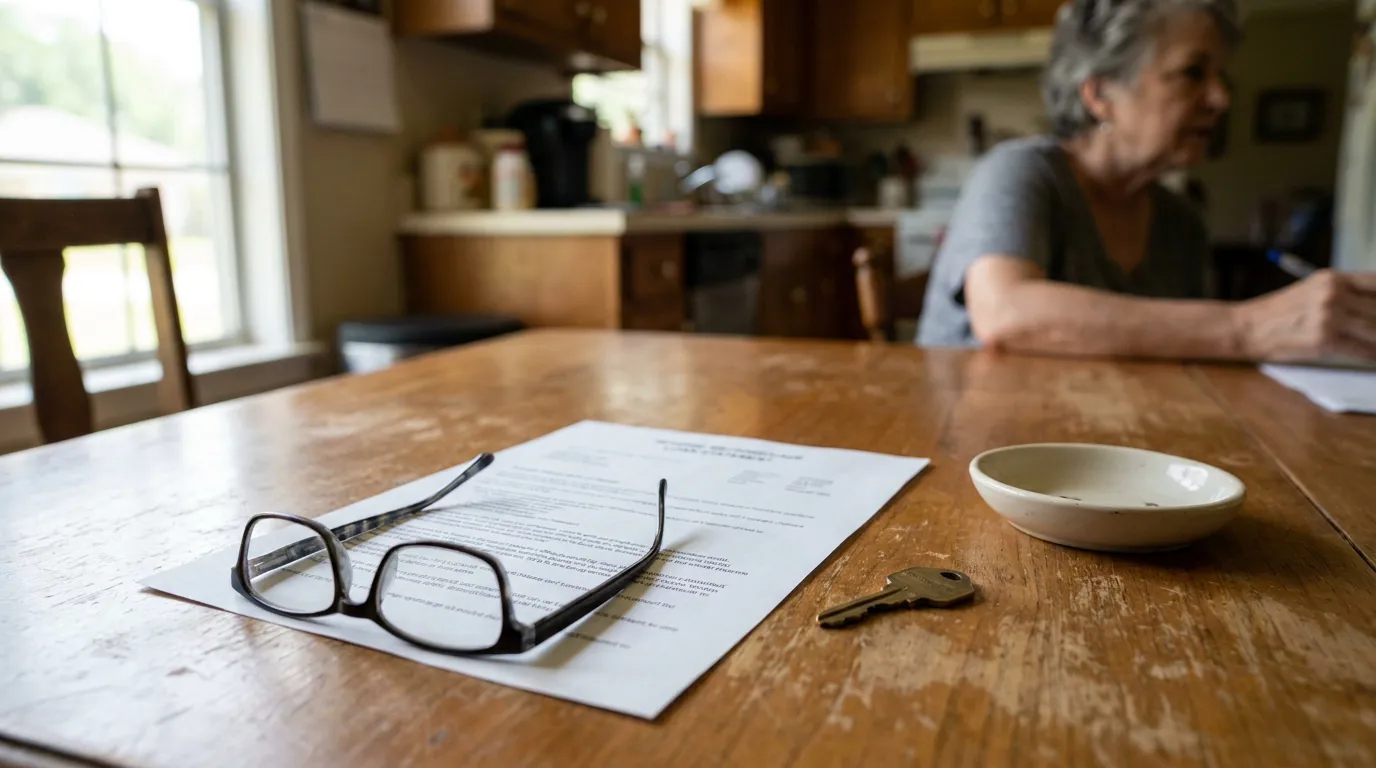
A reverse mortgage generally becomes due and payable when the last surviving borrower dies, sells the home, or stops using it as a principal residence. According to the Consumer Financial Protection Bureau, repayment may also be triggered when the borrower no longer lives in the property for more than twelve consecutive months, such as a permanent move into a nursing facility. Death of the last borrower is the trigger most Louisiana families encounter, starting the servicer’s clock, subject to any deferral available to an eligible non-borrowing spouse.
Loan obligations generally do not pause simply because someone has died. Property taxes, insurance, and upkeep must continue, because failure to meet those obligations can independently trigger a due and payable event and foreclosure while a family is still deciding what to do. In coastal Terrebonne Parish, where flood and wind insurance premiums can be substantial, a lapsed policy is a real and avoidable risk in the months following a death.
How Louisiana Succession Interacts With the Lender’s Timeline
A Louisiana succession generally transfers ownership of the decedent’s property, but it typically does not extinguish a mortgage attached to that property. The mortgage follows the house. Whoever receives the property under a testament or Louisiana’s intestate rules generally takes it subject to the existing mortgage, meaning the succession may need to account for the loan balance as part of the estate’s obligations. An heir who accepts the succession is generally not personally liable for estate debts beyond the value of the property received.
Timing is where families most often get caught off guard. A succession may take weeks or months depending on whether the estate requires administration, whether a valid testament exists, and how quickly documents are gathered. Meanwhile, the servicer is generally operating on federal timelines that may not wait for a judgment of possession. If you are unfamiliar with the local process, our overview of succession in Terrebonne Parish explains the basic steps.
Opening the succession promptly can give the family legal standing to communicate with the servicer. Lenders typically want documentation showing who has authority to act before discussing payoff figures, listing the property, or granting extensions. Without a court-recognized representative or a judgment placing the family in possession, negotiations can stall precisely when the clock is running fastest.
💡 Pro Tip: Contact the loan servicer in writing early and keep copies of everything. A documented paper trail showing good-faith efforts to resolve the loan can matter significantly if you later need to request an extension.
Reverse Mortgage Inheritance Louisiana Families Should Plan For
Most reverse mortgages in Louisiana are Home Equity Conversion Mortgages, or HECMs, insured by the Federal Housing Administration and governed by HUD rules that generally apply nationwide. Because HECMs are federally insured, the deadlines and protections are largely uniform state to state, even though ownership transfer and any foreclosure procedure are governed by Louisiana law. That combination of federal loan rules and state succession law is what makes reverse mortgage succession Louisiana matters uniquely layered. Proprietary or non-FHA reverse mortgages aren’t bound by HUD’s rules, so the loan documents control and should be reviewed carefully.
Under HUD’s HECM framework, the family generally has an initial period of about thirty days to respond after the servicer sends its due and payable notice, and up to six months to sell or refinance the property, with possible extensions. Extensions are not automatic; HUD generally allows them in ninety-day increments, up to a total of twelve months from the due and payable date, depending on documented efforts to market or refinance the home, evaluated case by case.
The Non-Recourse Protection That Often Goes Unnoticed
HECMs are non-recourse loans, meaning the family is generally not personally liable for a shortfall if the home is worth less than the balance owed. The CFPB explains that the borrower or estate generally will not owe more than the home’s value when it is sold to repay the loan. If the balance exceeds the property’s worth, FHA insurance may cover the difference, and an heir who wishes to keep the home may generally satisfy the debt by paying ninety-five percent of the current appraised value rather than the full loan balance.
This protection can change the math entirely for families who assumed the home was underwater and unsalvageable. A property that appears hopelessly over-encumbered on paper may actually be retainable for substantially less than the stated balance, provided the family can fund the payoff within applicable deadlines. An appraisal is central here, and if the family believes the valuation is inaccurate, raising that concern quickly through the servicer’s appraisal-dispute process is generally wise.
Surviving Spouses Who Were Not Borrowers
HUD rules changed to allow certain surviving spouses who were not co-borrowers to defer repayment and remain in the home after the borrowing spouse dies. Under these provisions, a non-borrowing spouse may be protected if specific HUD conditions are met, such as having been identified as a non-borrowing spouse at origination, remaining married to the borrower, continuing to occupy the property, establishing ownership or a legal right to remain within a set period, and keeping taxes and insurance current. The protections are conditional, fact-dependent, and defer rather than forgive the debt; they also depend in part on when the loan originated.
Louisiana’s community property regime adds another layer that families should not overlook. Depending on how title was held, whether a matrimonial agreement exists, and whether a usufruct applies, a surviving spouse’s rights in the home may be shaped by both state law and the federal loan terms. These questions rarely have one-size-fits-all answers.
When the Home Was Held in a Trust
Property held in a revocable living trust can complicate the analysis, though it does not necessarily disqualify the arrangement. FHA guidelines generally permit HECM borrowers to hold title through a revocable living trust when conditions are satisfied, such as the trust being for the borrower’s benefit and the borrower occupying the property. Reviewing the trust instrument alongside the loan documents is an important early step, and Louisiana trust law imposes its own requirements that should be confirmed with counsel.
Comparing the Family’s Practical Options
Families generally face a defined set of choices once the loan becomes due. The right path depends on the home’s value, the balance owed, whether anyone wants to keep the property, and how much time remains on the servicer’s timeline.
| Option | Generally Involves | Best Suited When |
|---|---|---|
| Pay off the loan | Paying the balance or 95% of appraised value, whichever applies | Someone wants to keep the home and can obtain financing |
| Sell the property | Listing and closing within the allowed period, subject to extensions | No one intends to keep the home and equity likely exists |
| Deed in lieu of foreclosure | Voluntarily transferring title to the lender, if the servicer and HUD agree | The balance exceeds value and no one wants the property |
| Allow foreclosure | Lender pursues its remedies under Louisiana law | Rarely preferable; may affect other estate matters |
Each option may carry different consequences for the succession itself. A sale, for example, may require court authorization depending on how the succession is structured. Discussing the choice with counsel before committing is generally advisable.
Common Mistakes That Cost Louisiana Families the Home
Most avoidable losses trace back to a handful of recurring missteps. Watch for the following:
- Waiting to open the succession until after the servicer’s initial response window has closed
- Allowing homeowners or flood insurance to lapse while the estate is unsettled
- Assuming the full loan balance must be paid when the ninety-five percent rule may apply
- Failing to request an extension in writing with supporting documentation
- Overlooking a non-borrowing spouse’s potential eligibility for HUD deferral protections
Acting early is often the single most effective safeguard. Families who contact the servicer, open the succession, and obtain a payoff statement within the first few weeks generally have more room to maneuver than those who wait. For families thinking ahead, our resource on Houma succession attorney services addresses how planning today may reduce these pressures later.
💡 Pro Tip: Request a written payoff statement and a current loan history from the servicer as soon as you have authority. These documents are frequently needed by the court, by a title company, and by any lender considering a refinance.
Frequently Asked Questions
1. Does a Louisiana succession stop the lender from foreclosing?
Opening a succession generally does not, by itself, halt a foreclosure. It establishes who has authority to act and can support requests for extensions, but the federal loan timeline generally continues to run. Families should treat the succession and the loan resolution as parallel tasks rather than sequential ones.
2. Can the family keep the home if the loan balance is higher than its value?
In many cases, it may be possible. Because HECMs are non-recourse and FHA-insured, an heir seeking to keep the home may generally satisfy the debt by paying ninety-five percent of the current appraised value rather than the full balance. Eligibility, timing, and procedure depend on the specific loan terms, HUD requirements, and servicer processes.
3. How long do we actually have to sell the property?
HUD’s HECM rules generally allow an initial response period of roughly thirty days after the due and payable notice and up to six months to complete a sale, with ninety-day extensions possible up to a total of twelve months. Extensions are discretionary and typically require evidence of active marketing or refinancing efforts. Deadlines should be confirmed directly with the servicer in writing.
4. Who is responsible for property taxes and insurance during the succession?
Those obligations generally fall to the estate or to whoever is in possession of the property. Letting them lapse can independently trigger default, so they should be prioritized even while other questions remain unresolved.
5. Should we contact a Houma succession attorney before talking to the servicer?
It is generally wise to understand your position first. Statements made to a servicer can affect available options, and having counsel review the loan documents and title situation before substantive discussions may help avoid unintended commitments. Response deadlines continue to run, so seeking advice quickly matters.
Protecting the Family Home Requires Moving Early
A reverse mortgage after death in Louisiana generally sits at the intersection of federal HECM rules and state succession law, and neither typically waits for the other. The loan generally becomes due when the last borrower dies, the family typically has a short initial window to respond and up to six months to sell subject to available extensions, and non-recourse protections may allow the home to be retained for less than the stated balance. Outcomes depend heavily on the specific loan terms, the property’s appraised value, how title was held, and how quickly the family acts. There is no universal answer, but there is often more room to maneuver than families initially believe.
If you are managing an inherited reverse mortgage or an open succession in Terrebonne Parish, the team at Damon J Baldone & Associates is prepared to help you evaluate your options and coordinate with the loan servicer. Call (985) 306-8146 or schedule a consultation to get started.
Disclaimer: This content is for informational purposes only and is not legal advice. Every case is unique, and results may vary. Consult an attorney about your specific circumstances.